

Lessons by topic
Chord Lessons
These lessons explore specific chords, harmony concepts, or progressions.
22 lessons
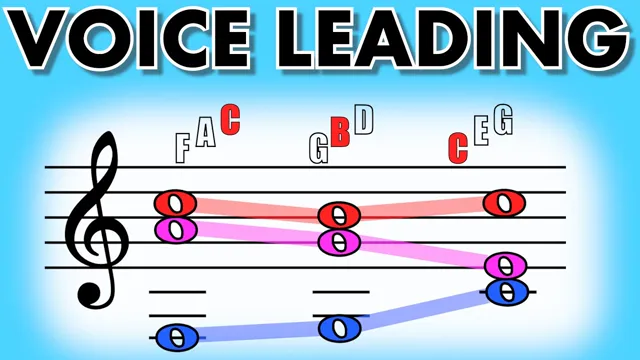
How Voice Leading Creates Better Chord Progressions
Learn how voice leading transforms simple chord progressions into rich, professional-sounding arrangements. Discover parallel, similar, contrary, and oblique motion to write smoother harmonic movements.
The Music Theory of POWER CHORDS
Power chords are the building block of rock and metal. Their simplicity gives them unparalleled versatility — the ability to accommodate both major AND minor tonalities. Learn how they fit into your scale concepts and how to apply them.
How To Write Progressions With 7th Chords: maj7, m7, & 7
Learn how to use Major 7, minor 7, and dominant 7 chords in your progressions, adding more color and interest to your harmony.
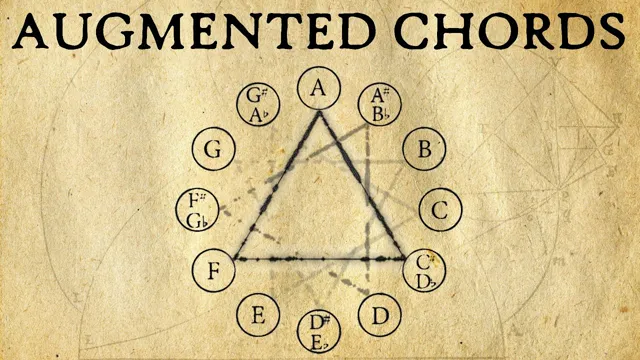
The Bizarre World of Augmented Chords
Demystify augmented chords and learn how to use them musically. Covers aug triads, aug7 chords, voice leading, symmetry, Lydian Augmented, and minMaj7 relationships.
Writing Progressions with Borrowed Chords
Learn about Modal Interchange, Borrowed Chords, and Modal Mixture — the concept of using parallel modes to expand your chord palette. Discover how to borrow chords from minor, Lydian, Phrygian and more to create unique and interesting progressions.
Using Modal Mixture for Dreamy and Epic Lead Guitar
Modal mixture lets you swap between parallel major and minor scales over the same chord progression. Learn how to layer A major and A minor over an E / A minor vamp for dreamy, epic lead lines.
The Scariest + Creepiest Chords AND How to Use Them
Explore the spookiest chords in music theory and learn how to use them in your compositions. From minor add9 to the minMaj7, discover why minor triads skew toward the sinister.
Secondary Dominants: Write Better Chord Progressions!
Learn how secondary dominant chords add color and interest to your progressions. Understand how these non-diatonic chords create mini modulations and why V7/vi is so common in modern music.
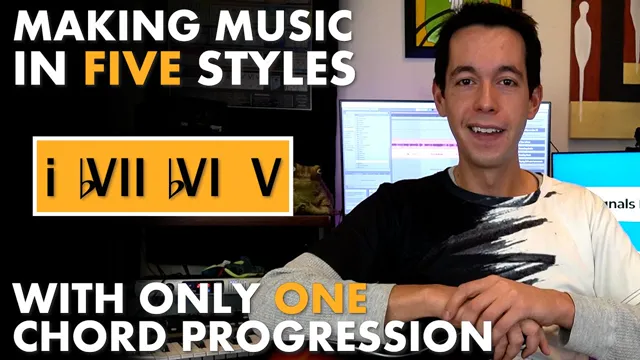
The Awesome Power of the Andalusian Cadence
Discover the iconic i - VII - VI - V progression used in flamenco, rock, pop, and classical music. Learn why this "descending minor" progression is so powerful and how to use it.
5 Easy Ways to Use and Write with Diminished Chords
Practical applications for diminished chords in your progressions. Learn to use them between whole steps, in two-chord jams, the ii°-V-I progression, as pivots to new keys, and as tonic diminished.
The SMART Way To Think About Chord Names and Labels
Learn the simple, consistent system behind all chord labels in modern music. Memorize just 5 default chords and build any chord from there.
How Inversions and Slash Chords Create Better Progressions
Learn how chord inversions free your bass line from moving in parallel with your chords. Understand first and second inversion, slash chord notation, and see 4 practical examples.
Diminished 7th Chord = PORTAL to 8 Tonalities
Discover how diminished 7th chords act as symmetrical portals to multiple keys. Learn how any note can be the root and use this to modulate to 8 different tonalities.
Musical Drones and Pedal Tones
Explore how drones and pedal tones create tension, atmosphere, and harmonic interest in music. From bagpipes to film scores, learn to use these powerful compositional tools.
Sus Chords Pt 2: Advanced Suspended Variations
Dive deeper into suspended chords with advanced concepts like add11, Maj7sus4, and the relationship between 4ths and 11ths. Learn when and how to use these sophisticated chord voicings.
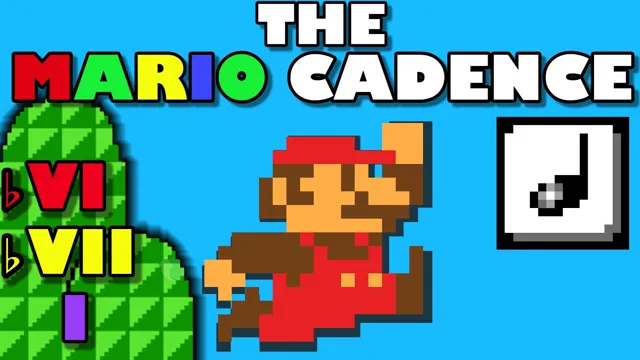
The Mario Cadence: How To Use These 3 Majestic Chords
The Mario cadence — I-bVI-bVII-I — is a striking modal mixture progression heard in Super Mario Bros, "I Am the Walrus" by The Beatles, and Seal's "Kiss From A Rose." Learn how to write with it.
Does The Diminished viiº Chord Even Exist?
A deep dive into the diatonic viiº chord. Explore its relationship with V7, whether it functions as an independent chord, and discover more techniques for using it in your progressions.
How To Easily Recognize Chords: Alternate Chord Names
Give your chords alternate names that describe their emotional feeling. This technique helps you identify chords quicker by ear and makes composing much easier.
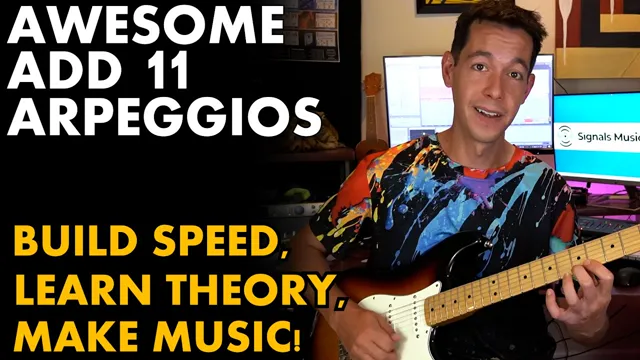
ADD11 ARPEGGIOS - Build Speed, Learn Theory, and Sound AMAZING!
Add11 arpeggios are fun and easy, and learning them provides an opportunity to get faster on your instrument while also improving your knowledge of music theory AND giving you more cool ways to make music.
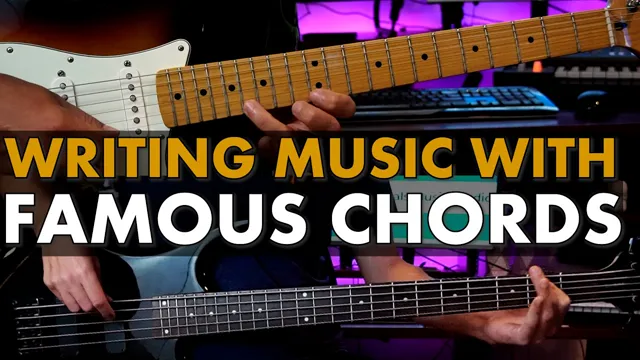
Famous Chords With Weird Nicknames (And How To Write Music With Them)
Some chords are so famous and popular they got their own name. Learn several of them, like the Neapolitan Chord, the Augmented Sixth Chord, the Backdoor Chord, Cadential 6/4, and more. Then try writing music with these popular chords.
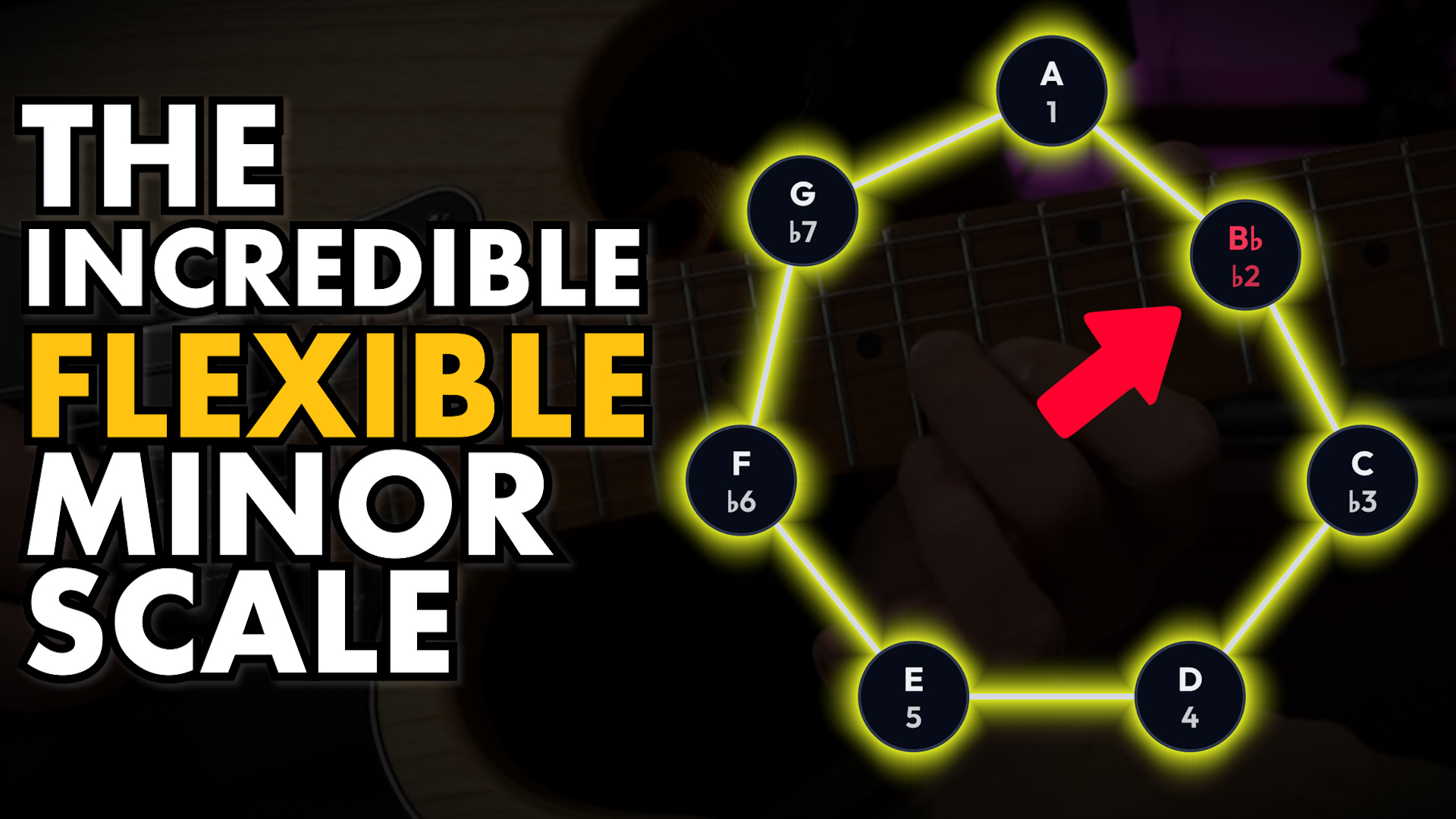
How Borrowed Chords & Modal Mixture Work in Minor Keys
You aren't limited to seven notes when writing in minor. Learn how the minor scale morphs into harmonic minor, Dorian, and Phrygian, and how to borrow their chords.
Write Chromatic-Infused Chord Progressions With Modal Mixture
Learn how to write chord progressions with descending bass lines using modal mixture and borrowed chords. Master the lament bass technique and expand it into full chromatic descents.