

Lessons by topic
Fundamental Music Theory Lessons
The building blocks: scale degrees, keys, diatonic chords, and the vocabulary every other lesson leans on.
13 lessons
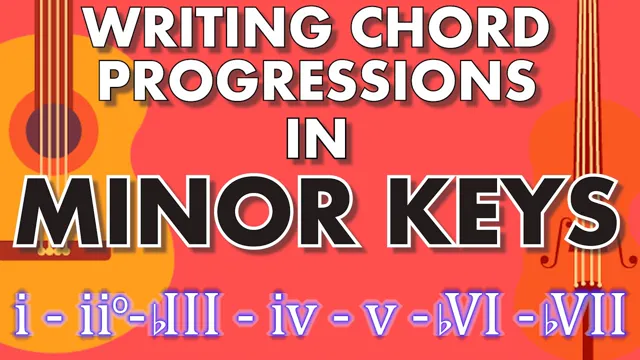
How to Write Chords and Songs in Minor
A crash course in writing with the minor scale. Learn the chords, progressions, and techniques for composing emotional and powerful music in minor keys.
Demonstrating All 7 Modes in Parallel
Building the modes in parallel (starting from the same root) allows you to see and hear the differences. Learn each mode's unique identity so you can easily identify it when you hear it and use it effectively in your own music.
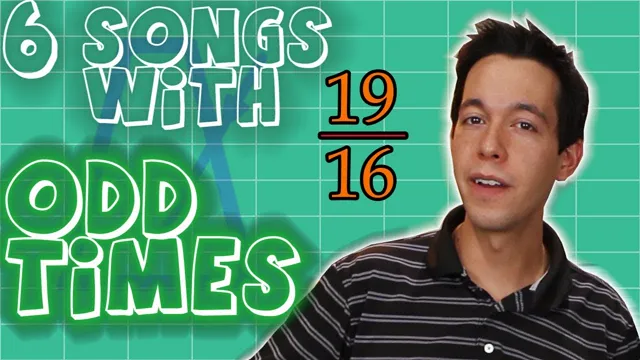
Understanding and Using Odd Time Signatures
Learn the basics of odd time signatures with 6 real examples. Covers quarter note, eighth note, and sixteenth note odd meters including Mission Impossible (5/4), Money (7/4), and Here Comes The Sun (7/8).
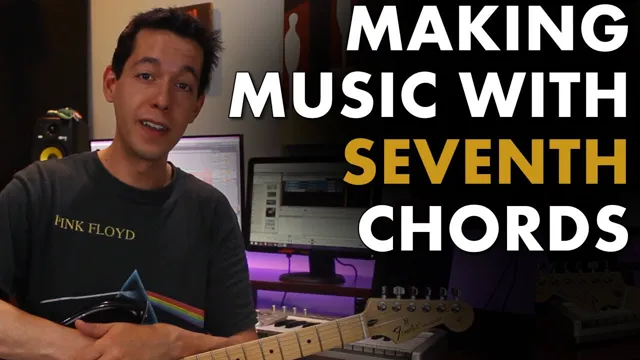
How To Write Progressions With 7th Chords: maj7, m7, & 7
Learn how to use Major 7, minor 7, and dominant 7 chords in your progressions, adding more color and interest to your harmony.
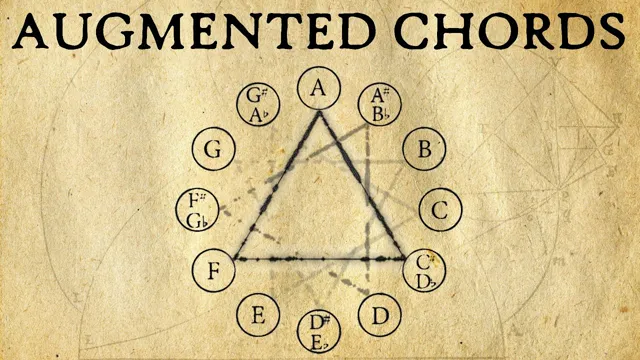
The Bizarre World of Augmented Chords
Demystify augmented chords and learn how to use them musically. Covers aug triads, aug7 chords, voice leading, symmetry, Lydian Augmented, and minMaj7 relationships.
Secondary Dominants: Write Better Chord Progressions!
Learn how secondary dominant chords add color and interest to your progressions. Understand how these non-diatonic chords create mini modulations and why V7/vi is so common in modern music.

Intro to Modulations and Key Changes
Explore how songs change keys with modulations. Learn about half-step, whole-step, and larger modulations through famous examples from Michael Jackson, Whitney Houston, Bon Jovi, and more.
Motifs and Chords: The Fast and Easy Way to Make Music
Learn a simple, effective, and versatile technique for writing music. Start with a melodic motif, build chords underneath it, then modify and reharmonize to create complete pieces.
5 Easy Ways to Use and Write with Diminished Chords
Practical applications for diminished chords in your progressions. Learn to use them between whole steps, in two-chord jams, the ii°-V-I progression, as pivots to new keys, and as tonic diminished.
How Inversions and Slash Chords Create Better Progressions
Learn how chord inversions free your bass line from moving in parallel with your chords. Understand first and second inversion, slash chord notation, and see 4 practical examples.
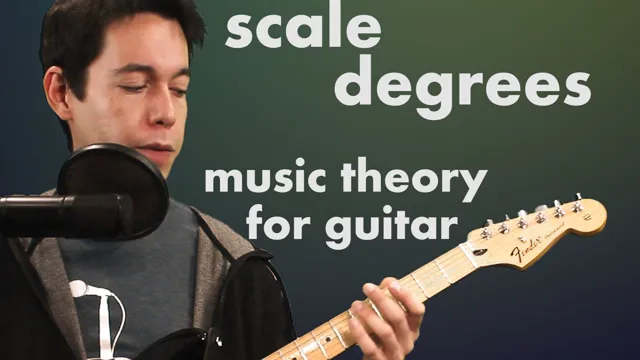
Learn Scale Degrees: Music Theory for Guitar Players
Understanding the structure of scales through scale degrees is fundamental to music theory. Learn how to think about and communicate scale positions using this essential numbering system.
Relative Modes: How C Major and A Minor are Same but Different
Discover how the tonal center transforms the emotional quality of the same set of notes. This video demonstrates all 7 relative modes of the major scale and how simply changing the tonal center creates modal harmony.
How To Easily Recognize Chords: Alternate Chord Names
Give your chords alternate names that describe their emotional feeling. This technique helps you identify chords quicker by ear and makes composing much easier.