

Lessons by topic
Rhythm Lessons
Free lessons on rhythm concepts like hemiola, odd time signatures, polymeter, and more
14 lessons

Stairway To Heaven's Mysterious Measures - The Bridge Rhythm Explained
The bridge section in Stairway to Heaven by Led Zeppelin is maybe the most mis-played section in classic rock history. This lesson breaks down the unusual time signature and rhythmic structure that makes this section so tricky.
Creating The Impossible Rhythm Illusion From "The Odyssey"
How to recreate the "Risset Rhythm" in the Odyssey, which sounds like it speeds up forever.
Master the 3:4 and 4:3 Polyrhythm
Learn how to play and understand the most common polyrhythm in music. This lesson covers both 3:4 and 4:3 polyrhythms with practical exercises and counting techniques.
Understanding and Using Odd Time Signatures
Learn the basics of odd time signatures with 6 real examples. Covers quarter note, eighth note, and sixteenth note odd meters including Mission Impossible (5/4), Money (7/4), and Here Comes The Sun (7/8).
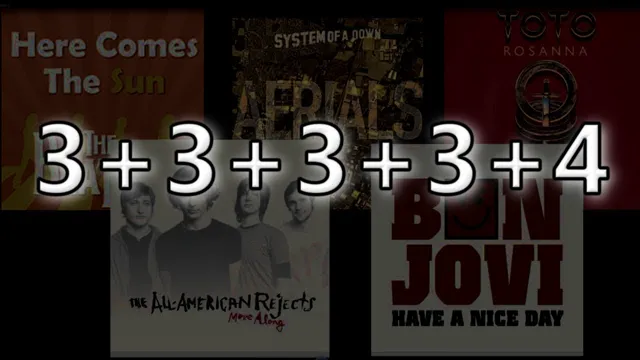
The Unnamed Rhythm that Unites Modern Music
A simple note pattern can be heard all over music, yet can't be described without notating it or playing it. Hear how it fits into Toto's Rosanna, Move Along, Aerials, Here Comes The Sun, and more.
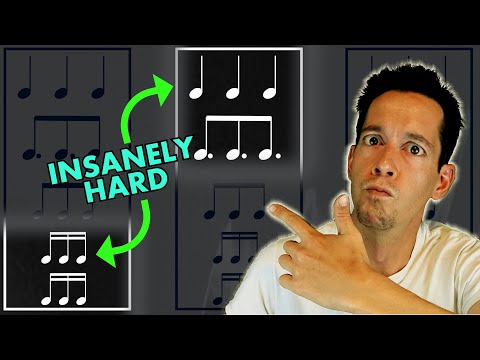
2 Indian Rhythm Exercises (Konnakol) That Will Destroy You
Two konnakol exercises from Indian Carnatic music - reductive threes and speeding fives over a steady pulse - and how they turn into music, with Ben Levin.
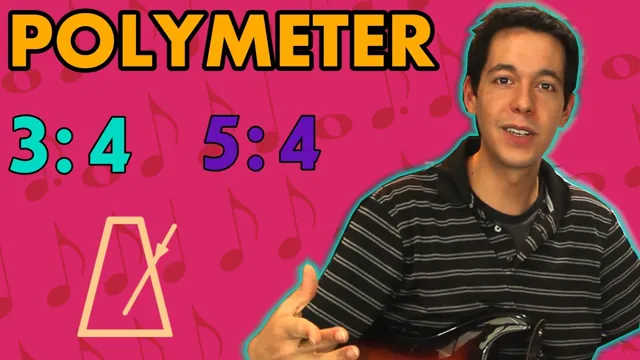
Polymeter: Understanding and Using Complex Rhythms
Learn what polymeter is, how it differs from polyrhythm, and how to use these complex rhythmic concepts in your own music. This lesson breaks down polymeter with clear examples and practical applications.
Random Math Metal Riff Generation Using Pi and the Byzantine Scale
Turn the 16 sixteenth-note permutations into a math metal riff by letting the digits of pi pick the rhythm, then add a Byzantine-scale lead on top.
Reverse Engineering Dream Theater: Metropolis Pt 1 Analysis
A deep analysis of the opening section of Dream Theater's "Metropolis Pt 1," breaking down the polymeter, suspended chord harmony, and time signature tricks, then using those ideas to build our own prog rock riff.
Hemiola: What It Is and Writing Funky Jams With It
What hemiola really means (the 3:2 ratio), the vertical, horizontal and 3/4-over-6/8 kinds, and a funky B Dorian jam built from a horizontal hemiola.
Sixteenth Note Permutations: 16th Note Rhythms for Metal Guitar
Every possible one-beat combination of sixteenth notes and rests (15 of them), counted out loud and played with palm-muted metal chugs, slow then fast.

Why is the 9/8 Time Signature So Confusing?
Understand the difference between simple and compound meter, and why 9/8 means different things to classical musicians vs rock/jazz players.
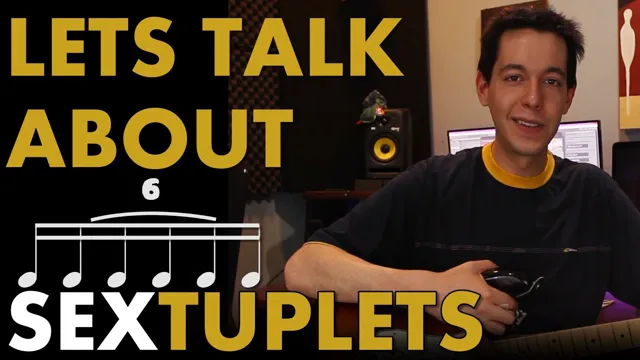
Sextuplets: How to Play, Count, and Write with 16th Note Triplets
Master sextuplets (16th note triplets) with counting techniques, common variations, and compositional applications. Learn to play 6 notes per beat with confidence.
7 Simple Musical Exercises That Unlock Advanced Rhythm and Complex Groove
Learning complex rhythm skills if you're not a drummer might seem intimidating, but with a few simple exercises you can start learning polyrhythm, polymeter, metric modulation, and more - all without a metronome! This lesson shows 7 simple exercises for ANY instrument that will gradually unlock those deeper realms of rhythm complexity. Once you're done with this lesson, you should be better equipped to tackle the full 3:2 and 3:4 polyrhythm.